
Tag

Genesee County Senior Care

10 Questions to Ask When Touring a Skilled Nursing Facility in Genesee County

By #SymphonySafe Tips, Assisted Living, Family Resources, Senior Living Guides, Senior Living Tips

Choosing a skilled nursing facility rarely happens on your own timeline. Most families make this call immediately following a surgery, illness, or hospital stay, sorting through physician advice, insurance, rehabilitation needs, and discharge plans, frequently within the same week.

A tour is where the decision starts to feel real. It is a chance to meet the people who may care for your loved one, walk through the therapy space, get a sense of daily life, and ask what happens if their needs change.

If you’re weighing skilled nursing or post-hospital rehabilitation options in Genesee County, here are 10 questions to guide your visit; along with how Symphony Linden answers each one.

1. What medical and clinical specialties does your team support?

Start with the reason your loved one needs care. While a facility may offer great general care, staff need hands-on experience with a patient’s specific condition (Like stroke, joint replacement, or severe wound) to safely and effectively manage their recovery. 

At Symphony Linden, physicians, therapists, and nurses work with orthopedic surgery, cardiac conditions, stroke and brain injury rehabilitation, pulmonary disease, diabetes management, wound care, and post-surgical recovery.

Ask: Has your team worked with patients recovering from my parent’s specific condition, and what would their care typically involve?

2. Who builds the rehabilitation plan, and how often does it change?

Recovery is rarely a straight line, so the plan shouldn’t be either. Ask who develops it, how progress gets measured, and how physicians, therapists, nurses, and discharge staff stay coordinated.

At Symphony Linden, a physician, rehabilitation team, and discharge coordinator build an individualized plan for each rehabilitation guest. A physiatrist monitors progress, and goals are adjusted as strength, mobility, and independence improve.

Ask: How will you measure my parent’s progress, and who decides when their goals need to change?

3. What therapy resources are available on-site?

“Rehabilitation” covers a lot: physical therapy for strength and mobility, occupational therapy for daily skills like dressing and bathing, speech therapy for communication and swallowing. Ask to see the space, and watch how therapists work with guests, not just what equipment is on hand.

Symphony Linden’s Bridge Street Gym is a dedicated rehabilitation space with Nautilus-style equipment, offering physical, occupational, and speech therapy on-site.

Ask: Can we see where therapy takes place, and what kinds of therapy would my parent likely need?

4. What happens if my loved one’s needs change?

It’s easy to focus only on the next few weeks, but think past discharge day. Some guests recover and return home; others find independent living isn’t the safest option anymore, or eventually need memory care.

Symphony Linden offers a full continuum on one campus: skilled nursing and rehabilitation, assisted living, memory care through its Monet Memory Care Inn, long-term care, and respite care. So families have options without restarting the search.

Ask: If my parent improves, or needs more support later, what would that look like here?

5. How will you communicate with our family?

Good care depends on good communication. Ask who your point of contact will be, how you’ll hear about meaningful changes, and how visiting works, especially if several relatives want to stay involved.

At Symphony Linden, family involvement is encouraged, and visitors are welcome 24/7 with check-in through the main office.

Ask: Who is our main contact, how will we get updates, and when can family visit?

6. What’s dining like, and can families eat together?

Meals shape daily life more than people expect. Ask how food is prepared, whether dietary or swallowing needs are accommodated, and whether family can join for a meal.

At Symphony Linden, meals are chef-prepared, and private dining rooms are available for guests who’d like a more personal meal with family or friends.

Ask: Can we see a current menu, and how do you handle dietary or swallowing needs?

7. What does a typical day look like outside of therapy?

Recovery needs more than scheduled therapy sessions, it needs conversation, routine, and things to look forward to. Ask to see the actual activity calendar, not just hear a general description, and look for variety.

Symphony Linden offers arts and crafts, trivia, cards, live music, exercise classes, religious services, and movies in its community theater.

Ask: What’s on the calendar this week, and how do you help someone new get comfortable joining in?

8. Does the building actually feel comfortable?

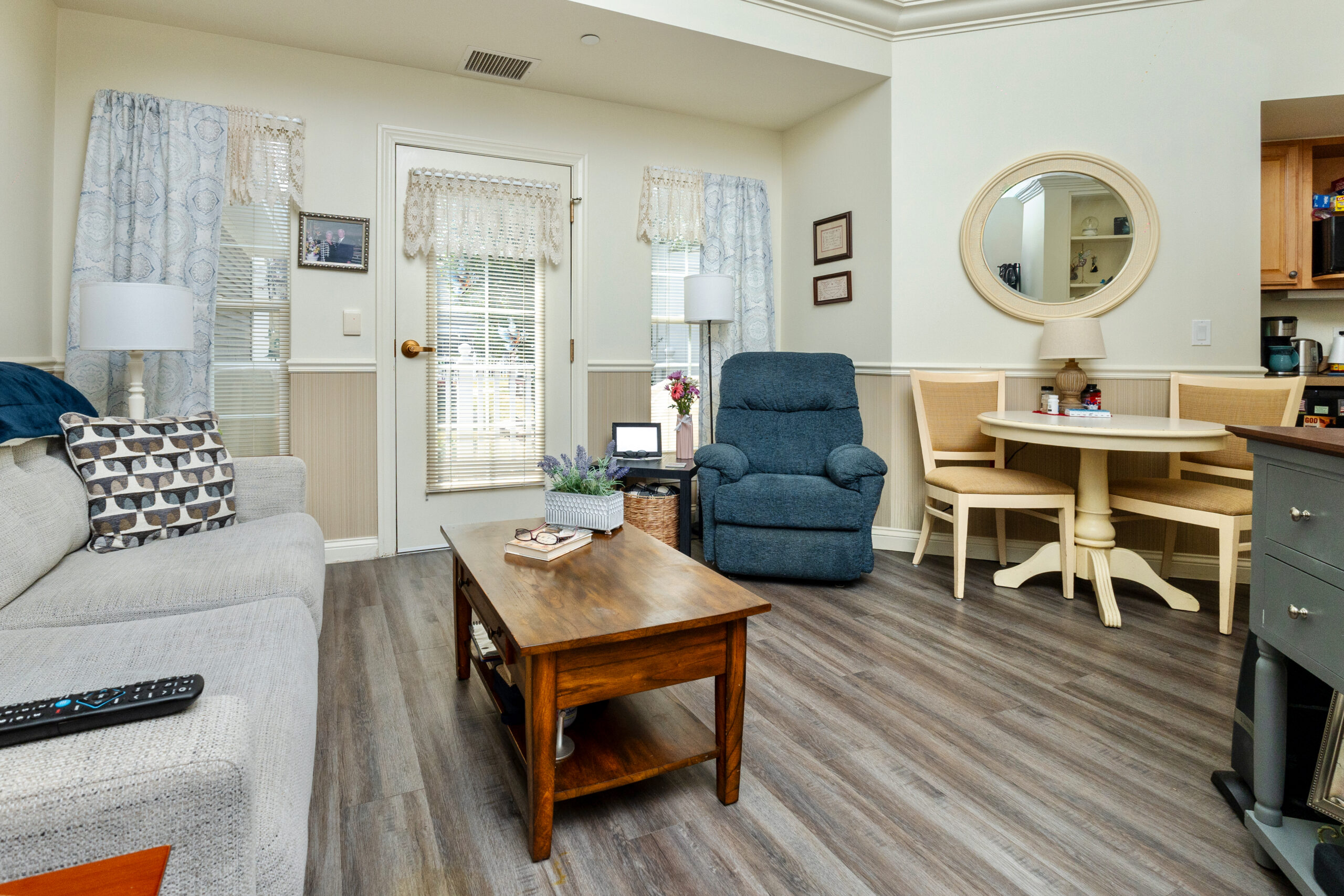
Notice how the space feels as you walk through: the light, the common areas, access to the outdoors, room for both privacy and company. Try to picture your parent actually living there.

Symphony Linden is designed with a cottage-like feel rather than an institutional one, with rooms overlooking green space, private and semi-private suites (availability varies), and outdoor walking areas and courtyards.

Ask yourself: Could I picture my parent feeling at home here? 

9. How do you support residents emotionally, not just medically?

Your loved one is more than a care plan. They have a lifetime of routines, relationships, and things that matter to them. Ask how staff get to know residents as people, not just patients.

Symphony Linden’s culture is built around exactly that: learning residents’ wishes and meaningful memories and finding ways to bring them to life, like recreating a mother’s Tuesday-night family dinners, or reconnecting a Vietnam veteran with his local VFW.

Ask: How do you get to know residents personally, and help them stay connected to what matters to them?

10. What will this cost, and what payment options do you accept?

Don’t leave financial questions for last. Ask what the expected stay may cost, what insurance covers, what could add extra charges, and what changes if the length of stay does.

For long-term care, Symphony Linden accepts Medicaid, private pay, and long-term care insurance, based on availability. For families transitioning into assisted living, Second Act Financial Services can help explore options like home-sale proceeds, VA Aid & Attendance benefits, and long-term care insurance claims.

Base Monthly Care Rates:

  • Independent Living: Starting at $2,800 – $3,250 per month
  • Assisted Living: Starting at $3,900 per month
  • Memory Care: Starting at $4,100 per month

Ask: Based on my parent’s situation, what would we be responsible for, and who can help us understand our coverage?

Trust what you see, not just what you hear

Ten questions are a starting point. Watch how staff greet residents. Notice whether residents seem comfortable asking for help, whether common spaces feel cared for, and whether a hard question gets a straight answer.

You know your loved one. The right facility should give you confidence in the clinical care while still treating them as an individual, with real rehabilitation, honest communication, and daily care built on more than routine.

Tour Symphony Linden in Linden, Michigan

If you’re comparing skilled nursing and rehabilitation options in Genesee County, Fenton, Holly, Grand Blanc, Linden, or the wider Mid-Michigan area, we’d welcome the chance to show you around. Walk through the Bridge Street Gym, meet the care team, and see whether Symphony Linden feels like the right fit.

Symphony Linden located at 202 S. Bridge St., Linden, MI 48451

Schedule a tour, call or text an Advisor: (810) 957-9119 Main office: (810) 735-9400

You can also connect with a representative directly through the live chat on the Symphony Linden website.



Senior Care Options in Linden, MI: Assisted Living, Memory Care & More

By Family Resources, Senior Living Costs & Pricing, Senior Living Guides

In short: A continuum of care in a senior living community offers multiple levels of support, from rehabilitation and assisted living to memory care and skilled nursing, in one place. So residents can move between them as their needs change instead of relocating to a new facility.

Why Senior Care Needs Rarely Stay the Same

Few families plan for this moment. It usually starts with a phone call: a fall, a hospital admission, a diagnosis that changes everything. Almost overnight, you’re trying to figure out what your parents need today and what they might need in six months, all while managing your own job, family, and the quiet grief of watching someone you love change.

That uncertainty is exhausting. You want your parents safe and cared for, but you also don’t want to uproot them every time their needs shift.

This is exactly the problem a continuum of care is built to solve. Rather than offering one fixed level of support, it brings several types of care together in a single, connected community, so a person can move from more independence toward more hands-on help without leaving behind the people and places they know.

For families, that difference is enormous. Your parents get more support exactly when they need it, without starting over somewhere unfamiliar. The care changes. The community around them doesn’t have to.

What Does a Continuum of Care Include?

Post-Acute Rehabilitation and Therapy

After surgery, an illness, an injury, or a stroke, going straight home often isn’t safe yet. Rehabilitation bridges that gap. Physical, occupational, and speech therapists work with residents to rebuild strength, relearn everyday tasks, and regain as much independence as possible. The goal is to help each person move forward, not just recover.

Respite Care

Caring for a parent or spouse is meaningful, and it can also wear you down. Family caregivers need real breaks: time to travel, manage their own health, or simply rest. Respite care gives your loved one a safe, supportive place to stay for a short time, and it doubles as a low-pressure way to experience community living before anyone commits to a permanent move.

Assisted Living

Sometimes the issue isn’t a need for constant care. It’s needing a little help with the everyday things that have gotten harder, like bathing, dressing, medication, and daily routines. Assisted living provides exactly that without taking away independence. Residents still make their own choices, join activities, and build friendships, with help close by whenever they need it.

Specialized Memory Care

Alzheimer’s and other forms of dementia change how a person experiences the world, and they often leave families unsure how to help. Symphony Linden is built specifically around those needs, with secure, calming environments. Our caregivers are trained in specialized memory care and carry out consistent routines designed to help residents feel safe, comfortable, and connected throughout the day.

Long-Term Care

Some seniors eventually need a level of medical care that isn’t safe to manage at home. Long-term, skilled nursing care provides 24-hour support for complex or ongoing health needs. Nurses and caregivers monitor health closely, provide hands-on assistance, and respond quickly when something changes, so no family is facing it alone.

Together, these levels of care add up to what families need most during an uncertain time: options. As life changes, the right kind of support can change with it.

Signs It’s Time to Consider a Continuum of Care

The need for more support usually doesn’t arrive all at once. It shows up in small changes that are easy to explain away at first. Noticing them early gives your family time to plan instead of reacting to a crisis.

Watch for:

  • Changes in daily routines: missed medications, skipped meals, or unpaid bills piling up
  • Safety concerns: more falls, unexplained bruises, or trouble getting around the house
  • Caregiver exhaustion: you’re spending too much of your own time, money, and energy managing their care
  • Social withdrawal: they’ve stopped seeing friends or doing things they used to enjoy
  • Cognitive changes: more confusion, repeated questions, or trouble managing money and bills

You don’t have to wait for an emergency to act. Looking into care options early gives your family more time, more choices, and less pressure to make a big decision under stress.

Why a Continuum of Care Matters for Families

As a parent ages, their needs can change faster than anyone expects. The right community makes those changes feel less frightening by keeping every level of care in one familiar place.

Fewer Disruptive Moves

Moving is hard at any age, and it can be genuinely disorienting for an older adult already dealing with memory loss or declining health. With a continuum of care, your parent can move from assisted living to memory care or skilled nursing without leaving the community they know. The same faces, routines, and surroundings make a hard transition much easier.

Care That Changes With Them

A care team that has known your parent for months or years catches things a brand-new team might miss: a change in mood, a shift in gait, a gap in memory. They can respond before it becomes a bigger problem. Their care plan adjusts. Their care team doesn’t have to change.

Couples Can Stay Close

Spouses don’t always decline at the same pace. One may need rehabilitation while the other needs memory care. A community offering multiple levels of care can help couples stay close to one another while each partner gets the specific support they need.

Less Stress for the Whole Family

A sudden health change is stressful enough without also having to research a new community, join a waitlist, schedule tours, and coordinate another move. A continuum of care removes most of that scramble. You already know and trust the team, which frees you up to focus on what actually matters: being present for your parent.

Questions to Ask When Touring a Care Continuum

Since your parent’s needs may change over time, it’s worth understanding exactly how a community handles that shift before you commit to one. When you tour, ask:

How do you handle changes in care needs, and who decides when to move?
Care plans are monitored continuously by our leadership and medical teams, who work directly with your family to guide smooth, timely transitions as needs evolve.

Can couples stay together if they need different levels of support?
Yes. Couples can share a suite while receiving individual levels of care, allowing spouses to remain together on the same campus.

Will my parent keep seeing familiar caregivers as their care changes?
Yes. Because all care levels exist under one roof, residents stay in the same community alongside the same trusted staff and leadership team.

How does pricing change as care needs increase?
Pricing is organized into clear monthly tiers, starting at $3,900 for assisted living and $4,100 for memory care, so costs remain predictable and transparent.

What happens if a specific level of care isn’t immediately available?
Families can utilize short-term respite care as a seamless, temporary stay while waiting for a permanent space to open.

These aren’t complicated questions, but the answers will tell you a lot about how a community actually operates, not just what it promises in a brochure.

Experience the Continuum Firsthand at Symphony Linden

Choosing care for someone you love is one of the most personal decisions you’ll make. You want to know, without question, that they’ll be safe, supported, and surrounded by people who genuinely care.

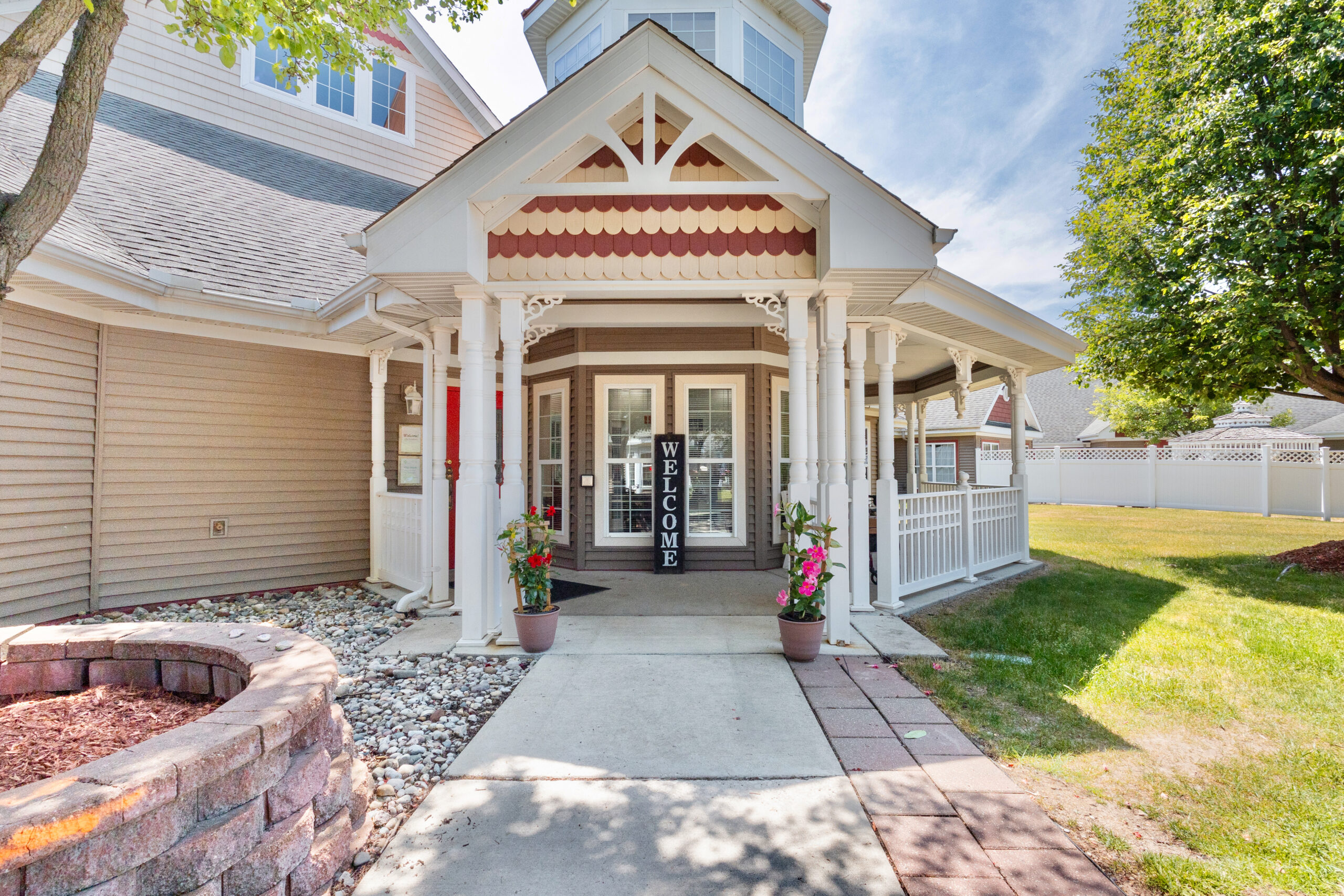
At Symphony Linden, guests receive support for their physical, emotional, and social well-being in a warm, cottage-like setting that feels comfortable and welcoming.

The best way to understand that care is to see it for yourself. Walk through the community, meet the care teams, ask the questions above, and picture what daily life could look like for your loved one.

We offer a convenient, central location for Mid-Michigan families across Holly, Fenton, Grand Blanc, and neighboring towns.

Visit Our Campus

Our Physical Address:

202 S. Bridge St, Linden, MI 48451

Schedule a personal tour, Call or text an Assisted Living Advisor at (810) 957-9119, or connect with our team through the instant live chat on our website.

What Does Assisted Living and Memory Care Cost?

By Family Resources, Senior Living Costs & Pricing, Senior Living Guides

Figuring out how to pay for assisted living or memory care is one of the hardest parts of the caregiving journey. Families have to worry about balancing care needs, safety, comfort, and affordability while figuring out what level of support is right. But we all have to start somewhere. This guide is designed to simplify that starting point by pulling back the curtain on what you are actually paying for. 

In this article, you’ll learn what can affect the cost of assisted living and memory care, what to consider when comparing options, and how the right care setting can support both residents and their loved ones.

Independent or Assisted Living: Which Level of Support Do They Need? 

Every family wants clear answers when planning senior care costs. At Symphony Linden, the pricing model keeps things simple with straightforward, all-inclusive options. This helps you understand what to expect each month without worrying about surprise fees.

The right care level depends on how much support a resident needs. Some seniors want a more social lifestyle with very little daily assistance. Others need help with personal care, medication, or memory-related needs.

Independent Living 

Independent Living is generally the lowest-cost option. It works well for seniors who want community, connection, and a more active social environment but do not need daily personal care. At Symphony Linden, independent lifestyle options start at $2,800 per month.

Assisted Living

Assisted Living offers a higher level of support while still helping residents maintain independence. This option includes personalized help with daily routines, such as dressing, bathing, mobility, and medication management. Assisted living rates at Symphony Linden begin at $3,900 per month.

Memory Care

Memory Care is typically the highest tier because it includes specialized support for residents with memory-limiting conditions. This level of care requires expertly trained staff, dedicated life enrichment programs, and a safe, secure environment designed around each resident’s needs. At Symphony Linden, memory care starts at $4,100 per month.

These starting quotes across tiers should help you understand and compare options more clearly, and choose the level of care that best fits your loved one’s lifestyle, budget, and most importantly, needs.

24/7 Personalized Support & Peace of Mind 

Residents receive help with activities of daily living, including bathing, dressing, grooming, mobility, and other personal care needs. The care team also manages medications, so residents stay on track with their daily routines. For added safety, each room includes an emergency call-light system, and the community uses alarmed exits and security cameras to help protect residents.

Meals are also included. Residents enjoy fresh, home-cooked meals each day, along with a daily dessert cart that adds a familiar and comforting touch to the dining experience.

Symphony Linden also takes care of everyday household chores. The team handles housekeeping, laundry, linen service, and room cleaning, so residents can spend more time enjoying their day and less time worrying about daily upkeep.

Utilities. The monthly rate also covers cable, Wi-Fi, and standard utilities. The only utility you need to plan for separately is personal phone service. 

By handing over the household chores and medication management to us, families can stop acting as full-time caregivers and go back to simply being daughters, sons, spouses and even parents.

What Happens If My Loved One Needs More Care Later?

One of the biggest worries for families is not knowing what may come next. “What if Daddy’s health declines down the road?” Symphony Linden solves this by offering a comprehensive “Continuum of Care.” Residents can seamlessly transition from assisted living to memory care, skilled nursing, or long-term care within the same community.

This protects your loved one from the distress of adapting to a brand-new environment, while saving your family the sudden logistical stress and moving costs of a future health crisis. Peace of mind means knowing that as their needs evolve, their address doesn’t have to.

Are There Other Ways to Pay for Assisted Living & Memory Care?

Fortunately, families do not have to figure things out alone. Symphony Linden partners with Second Act Financial Services to help families explore practical ways to fund care.

Bridge Loan Solutions or Home Safe Solutions
Depending on your situation, you may be able to use options like Bridge Loan Solutions or Home Safe Solutions. These resources can help families manage the financial gap between choosing care and finalizing longer-term plans.

Insurance
Some families may also be able to convert a life insurance policy to help cover care costs. Others may qualify to file a claim through a long-term care insurance policy. These options can make a meaningful difference when planning for monthly care expenses.

Veteran Aid & Attendance Benefit
Families should also check whether their loved one qualifies for the Veteran Aid & Attendance Benefit. This benefit may help eligible veterans or surviving spouses pay for assisted living or memory care.

The right financial path depends on each family’s needs, assets, and timing. You should contact Symphony Linden today to help connect you with the right resources so you can make informed decisions with more confidence.

Questions to Ask When Considering Assisted Living or Memory Care

Before choosing an assisted living or memory care community, it’s always important to ask questions and be cleared upfront.

  • Do you offer all-inclusive pricing or itemized pricing? 
  • What other payment options do you accept? 
  • What does the monthly fee include?
  • What services cost extra?
  • How do you determine the level of care, and how does it affect the price?
  • Are memory care costs different from assisted living costs?
  • Can we see a sample monthly bill?

Find Peace of Mind Right Here in Linden, Michigan 

The best way to move forward is to come see it for yourself. A tour gives you a chance to walk through the community, meet the team, ask questions, and get a real feel for the care, comfort, and support residents receive every day.

Experience the Symphony Difference firsthand and see how assisted living can support your loved one’s independence, safety, and quality of life.

To schedule a tour, call or text an Assisted Living Advisor at (810) 957-9119.

You can also submit a general inquiry form on our website or use the live chat icon for quick answers to your questions.